



كيفية العثور على العفن والسيطرة عليه في المنزل أو العمل
You may be wondering whether your home or business has a mold problem. If you already know it does, you’ll need to know how to get rid of the mold and keep it from coming back. Mold thrives in moist, warm environments, so wet or humid areas are prime locations.
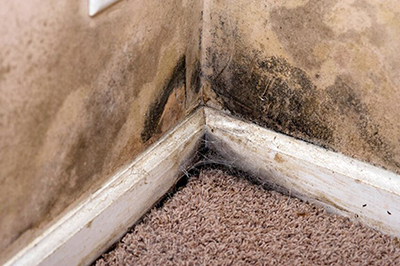
سنتناول في هذه المقالة عددًا من المواضيع، بما في ذلك:
- ما هو العفن؟
- مصادر عديدة لتسرب الرطوبة إلى المنزل
- القوالب: الجيد والسيئ والقبيح
- تقييم مشكلة العفن
- كيفية اكتشاف الرطوبة خلف الجدران
- اختبارات أخرى ضرورية
- علاج العفن
Besides the health risks associated with some molds, the moist conditions mold needs can cause bigger structural problems. Too much moisture in a home or building can make wood swell, warp, or even rot, weakening the structure. According to the U.S. Environmental Protection Agency’s guide to mold and moisture, “the key to mold control is moisture control.”
ما هو العفن؟
Molds are fungi that grow everywhere, both indoors and outdoors. They grow best in warm, damp, humid conditions. When conditions are right, mold can grow even in dry climates such as Arizona.
Molds reproduce by forming spores that spread through the air. Because mold spores are everywhere, there’s no practical way to eliminate them from indoor environments or create a mold-free space. We can, however, limit mold growth by controlling moisture indoors.
يحتاج العفن إلى أربعة أشياء لينمو:
- جراثيم العفن
- Nutrients: any organic material, such as wood, paper, or drywall
- Moisture: water, condensation, or damp air (the EPA recommends keeping indoor relative humidity below 60%)
- Suitable temperatures: most molds grow well at the same temperatures people find comfortable
There are many thousands of mold species, and many different types can be found indoors. Only some are known to cause illness.
Common types of mold found indoors include:
- الرشاشيات species (such as أ. فلافوس و أ. المبرقشة)
- كلادوسبوريوم
- البنسليوم
- النوباء
- Stachybotrys chartarum (أيضا يسمى S. atra), often called “black mold”
Mold often grows where you can’t easily see it: behind wallpaper or paneling, on the top side of ceiling tiles, on the back side of drywall, or under carpet, carpet padding, or wood flooring.
Pipes inside walls can also lead to mold growth, since leaks and condensation add moisture. Roofs sometimes leak too, letting water collect inside walls and insulation.
مصادر عديدة لتسرب الرطوبة إلى المنزل
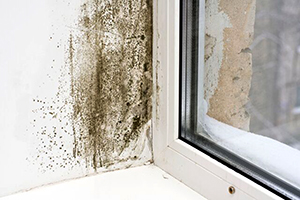
Indoor water leaks, broken pipes, a clogged air conditioner drain line, a leaky roof, poorly sealed windows, basement flooding, and steam from showers or cooking are common ways moisture becomes a problem in homes, apartments, schools, and workplaces.
مصادر خارجية
Many other conditions can let water in and lead to mold growth. For instance, gutter downspouts or lawn sprinklers placed too close to an outside wall can send water straight into a basement or saturate a concrete foundation. Once the concrete is wet, moisture can wick into the building.
قضايا البناء
Construction problems can also cause mold growth: plumbing punctured by nails or screws during construction, improperly sealed bathtub drains, sinks, and garbage disposals, or particleboard that was installed after getting rained on during construction.
بخار الماء
When indoor relative humidity rises to 60% or more, building materials and furnishings absorb the moisture, and those damp materials give mold a place to grow. If relative humidity stays above 60% for an extended period, mold growth is likely.
التغييرات الموسمية
Warm air can hold more moisture than cool air, which can cause moisture problems. Consider what happens in fall or winter. When warm indoor air touches a cold surface, such as a single-pane window or an uninsulated wall, the air cools and the excess moisture condenses. That moisture can lead to mold and mildew.
هل يمكن أن ينمو العفن على الخرسانة؟
Wet or damp concrete slabs often contribute to indoor mold problems. Concrete absorbs water, and that by itself isn’t the problem. But materials attached to wet concrete, such as wood flooring, carpet, cabinets, and wood framing, can absorb moisture from the slab and become ideal food sources for mold.
Concrete can get wet in several ways. Without a good vapor retarder under a slab, moisture can wick up into the concrete from ground that’s damp because of irrigation or poor drainage.
This can be a problem where the ground slopes toward a building, sending rain and irrigation water to the slab until it becomes saturated.
In some cases, the concrete never finished drying after it was poured. Contractors under pressure to meet deadlines may not allow enough drying time before construction continues, and the slab can stay wet for months or even years longer than it should.
Wherever there’s a water or moisture problem, a mold problem often follows quickly.
“Molds can cover large areas within 24 to 72 hours after water damage occurs,” says Dr. Luke Curtis, a medical doctor and Certified Industrial Hygienist who has assessed more than 1,000 buildings for mold, moisture, and other indoor air quality problems. The EPA likewise advises drying water-damaged areas and items within 24 to 48 hours to prevent mold growth.
القوالب: الجيد والسيئ والقبيح
Believe it or not, many molds are beneficial. They help decompose dead material, they’re the source of antibiotics such as penicillin, and they’re used to make cheeses. Some are also used to produce enzymes commercially.
But many molds are harmful. They grow on bread and other foods, damage grain, fruit, vegetables, and livestock feed, and cause diseases in garden plants. Related fungi even cause athlete’s foot and ringworm.
Mold spores, whether dead or alive, can also cause health problems in people, especially those who are sensitive to mold. Symptoms can include nasal stuffiness, eye irritation, wheezing, and skin irritation.
تقييم مشكلة العفن
If there’s only minor surface mold, a home or building owner usually doesn’t need an expert. But if the mold is widespread, has caused visible damage, or is suspected of causing health problems, it’s best to call a certified professional trained in dealing with mold.
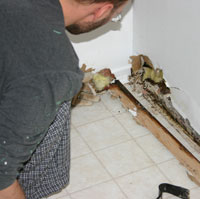
Professionals trained in mold assessment and remediation are often certified through organizations such as NORMI (National Organization of Remediators and Mold Inspectors) or the IICRC (Institute of Inspection, Cleaning and Restoration Certification).
Certified Industrial Hygienists (CIHs) also assess mold problems. CIHs are certified by the Board for Global EHS Credentialing (formerly the American Board of Industrial Hygiene), and many belong to the American Industrial Hygiene Association (AIHA).
It’s important to hire someone trained in mold identification and remediation. Mold assessment can easily be done wrong by untrained people. After Hurricanes Sandy, Irene, Rita, and Katrina, for instance, many companies sprang up claiming to understand mold contamination, failed to follow proper protocols, and cost many home and business owners both property and money.
Ron Guncheon, owner of RMS Environmental in North Palm Beach, Florida, and a certified member of NORMI, explains that a mold specialist can approach a job in one of two ways: mold assessment or mold remediation. In Florida, state law doesn’t allow the same professional to do both on a property, because that would be a conflict of interest.
A mold assessment determines whether mold is present, through a visual inspection and testing.
When Guncheon does an assessment, he starts by asking his clients about any health issues, such as a runny nose, trouble breathing, nasal stuffiness, or other respiratory symptoms.
He also asks whether their symptoms occur only at home or elsewhere too, and whether they show up in one particular room.
أبحث عن علامات ردود الفعل التي قد تظهر على الأشخاص عند تعرضهم للعفن وجراثيمه. بعد ذلك، أجري فحصًا بصريًا في الداخل والخارج.
He looks for visible signs and odors of mold. That may mean checking baseboards, under carpets, air conditioners, ductwork, under sink cabinets, showers, and even outside walls. If he can’t smell or see any signs of mold, he uses an infrared camera to look for hidden moisture.

تنزيل مجاني - هل جهاز قياس الرطوبة الدبوس أو بدون دبوس هو الأفضل بالنسبة لك؟
كيفية اكتشاف الرطوبة خلف الجدران
Moisture behind walls or under floors can often be detected with a sensitive infrared camera, which produces a temperature map of the surface. Damp areas often show up differently from the surrounding area because wet materials are usually cooler than dry ones.
Infrared inspection is a fast, noninvasive way to find possible moisture problems in a home or building, but it doesn’t detect mold itself. Instead, it points to damp spots where mold may develop.
“Once I find an area where there is moisture or water vapor, I use a moisture meter to tell me the level of moisture present. If the level is too high, there’s a good chance mold is growing as a result. I then take a picture of the meter’s reading to document my findings,” Guncheon says.

أمتار فاغنر أوريون® عداد ذكي بدون دبوس 950 makes documenting moisture levels easy. It uses electromagnetic technology to measure moisture without damaging the material. Besides reading the moisture content of wood, it has a relative measurement mode (a 0 to 100 scale) for non-wood building materials such as drywall.
For inspection work, that relative reading gives you a comparison. Take a reading on a known dry area of the same material to set a baseline, then compare readings to pinpoint areas with elevated moisture.
اختبارات أخرى ضرورية
Guncheon also checks indoor temperature and relative humidity throughout the building, looking for unusual differences between rooms. The EPA recommends keeping indoor relative humidity below 60%, and ideally between 30% and 50%.
For hard-to-reach areas, such as cavities in ceilings, walls, and floors, Dr. Curtis sometimes uses fiber optic devices. Some carry light into confined spaces, while others have video capability so the inspector can see areas that are hard to access.
يستخدم عدد من الباحثين كلابًا مدربة على شم العفن. وقد استخدمتُ أنا شخصيًا كلبًا مُدرّبًا على شم العفن للعثور على نمو كثيف للعفن في قناة تهوية يصعب الوصول إليها، كما يقول.
Whether or not mold is found, Guncheon takes samples and sends them to a qualified lab, which cultures and identifies any mold species present. He uses three to five sampling methods, depending on what the client wants to pay for:
- Air sampling: a device draws in air for 5 minutes to collect whatever is floating in it, and the sample goes to a lab.
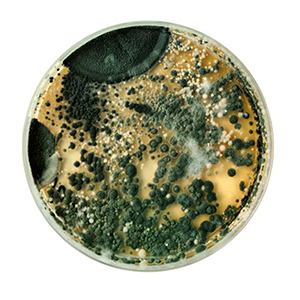
- Petri dish: material is placed in a Petri dish, which is sent to a lab.
- Tape lift: mold is collected on sticky tape and placed in a sealed bag that’s sent to a lab.
- Bulk: pieces of the contaminated material are removed and sent to a lab.
- Swab test: a cotton swab is rubbed against a surface, placed in a test tube, and sent to a lab for mold identification.
If he can’t find moisture or water intrusion or locate mold growth, or if the client had earlier mold testing that found no mold but they’re still having problems, he runs a VOC (volatile organic compounds) test. Molds and many other things in a building give off VOCs, and this test helps identify them.
The VOC sampler runs for 2 hours to collect air samples, which are sent to a lab for analysis. The lab reports what compounds are present and whether their levels are acceptable, moderate, or excessive.
Guncheon presents his findings in a report to the client. It typically identifies the problem, locates the mold, determines the cause (for example, a broken pipe), identifies the mold species, and describes what needs to be done. The fix may be as simple as cleaning and treating the area, or it may require moderate to extensive mold remediation.
علاج العفن
Mold remediation is simply the professional term for mold removal. If remediation is needed, the assessment details what’s required.
It’s up to the client to follow through on the assessment. They can do some of the work themselves (for example, tearing out a wall) or hire a mold remediation specialist to handle everything and keep contamination to a minimum.
The client also has to decide who does the build back. For instance, if a wall is opened up, the client decides whether the remediation specialist repairs it or someone else does.
Guncheon says that if he finds an infested wall, say in a bedroom, he may recommend walling off the whole area from the rest of the house. He builds a containment wall of 6-mil plastic with a zipper entrance, held in place with tape and supports and attached to the walls, floor, and ceiling, so the area won’t contaminate the rest of the house.
“I use negative air pressure to exhaust to the outside whatever mold spores and contaminants are present in the room. (This is similar to turning on a bathroom vent fan to remove steam.) If you have water in the room, it has to be dried out first before proceeding,” he says.
Inside the containment area, he uses air scrubbers with HEPA (high-efficiency particulate air) filters to trap mold spores and other particles before the air is exhausted outdoors. That creates negative air pressure, so air from the rest of the house is drawn into the work area and then exhausted outside. “If we don’t do that, then we’re allowing the spores to roam freely through the rest of the house,” he adds.
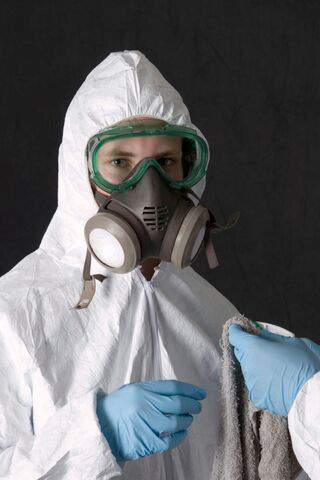
Wearing protective gear, such as a respirator, goggles, protective gloves, and a disposable protective suit, Guncheon begins taking the affected area apart. Removed materials, such as drywall or damaged wood, are carefully bagged.
Once the affected pieces are bagged, the area is carefully HEPA vacuumed to capture spores.
Remaining mold growth is carefully removed, and the area is cleaned and treated. In some cases, he may fog the entire house with an antimicrobial agent.
Simply killing mold isn’t enough. According to the EPA, using a biocide such as chlorine bleach is not recommended as a routine practice during mold cleanup, and dead mold can still cause allergic reactions in some people, so it has to be removed, not just killed. The EPA also warns never to mix chlorine bleach with cleaning products that contain ammonia, because doing so produces toxic fumes. And unless the moisture problem is fixed, the mold will grow back.
إعادة البناء
Once the mold is removed, the source of moisture (for example, a broken water pipe) is corrected, and the damaged materials are removed, the final step is the build back. The client can have the mold remediation specialist do the repairs, hire someone else, or do the repairs themselves.
وفي الختام
Mold is everywhere. There’s no escaping it, but we can keep it from becoming a problem by controlling moisture and excess humidity indoors.
When mold does appear, it can damage property and cause health problems. That’s when it’s best to hire a trained, certified mold specialist with the knowledge and tools to find, identify, and eliminate the problem.
تسوق أجهزة قياس الرطوبة من أوريون
Written by Wagner Meters and first published as a three-part series in ICS Cleaning Specialist magazine (August, September, and October 2014).

بصفته مدير مبيعات في شركة فاغنر ميترز، يتمتع رون بخبرة تزيد عن 35 عامًا في مجال الأجهزة وأنظمة القياس في مختلف الصناعات. شغل سابقًا مناصب مدير مبيعات إقليمي، ومدير منتجات ومشاريع، ومدير مبيعات لدى شركات تصنيع أجهزة القياس.
آخر تحديث في 8 أكتوبر 2026

 800-634-9961


معلومات قيّمة للغاية. اكتشفتُ تسربًا خفيًا خلف جدار الحمام بعد أن لاحظتُ رائحة عفن مستمرة - لم يكن هناك أي عفن ظاهر على الإطلاق. هل وجد أحدٌ آخر أن أدوات كشف الرطوبة ساعدت في اكتشاف مشكلة كانت ستمر دون أن يلاحظها أحد؟
بدأت ألاحظ رائحة عفن تحت خزانة حمامي، وازدادت سوءًا. اتصلت بسباك، فاستبدل غطاء فتحة التهوية أسفل الحوض، لكن الرائحة لم تتحسن. فحصت الجدار الخارجي، ولاحظت بللًا عامًا من ماسورة تصريف مياه الأمطار ووحدة تكييف الهواء في مكان الخزانة الداخلية. لاحظت أيضًا شقًا رفيعًا في البلاط، يمتد من أسفل الخزانة ويمتد بضعة أقدام إلى الحمام. أعتقد أن هذا قد يشير إلى تضرر بلاطة الخرسانة. من يمكنني الاستعانة به لحل المشكلة؟ قد نحتاج إلى إزالة خزانة الحمام والبلاط لمعرفة ما إذا كانت الخرسانة قد تعرضت للتلف. أنا في حالة ذعر! ما نصيحتكم؟ شكرًا لكم.
يمكن أن تُسبب جراثيم العفن العديد من المخاطر الصحية، خاصةً لمن يعانون من الحساسية ومشاكل الجهاز التنفسي (مثل الربو)، كما يُمكن أن تُسبب طفحًا جلديًا التهابيًا، وصداعًا، وأعراضًا أخرى تُشبه أعراض الإنفلونزا. لذا، عند تواجدك بالقرب من عفن الخرسانة، تأكد من اتخاذ الاحتياطات اللازمة.
التحيات،
كورت | https://www.o2moldtesting.com/
شكرًا لتحذيري من أن العفن قد يُسبب أضرارًا ظاهرة لمنزلنا، وربما مشاكل صحية. ذكرت جارتي أنها لاحظت بعض بقع العفن في منزلها، وأخشى أن يتعرض أطفالي لها أيضًا إذا لم أكن حذرة. قد يكون من الأفضل الاستعانة بخبراء في مكافحة العفن، والسماح لهم بفحص منزلنا بحثًا عن أي علامات.
زوجتي قلقة من احتمال وجود عفن في قبو منزلنا السفلي. أُقدّر لك ذكرك أن الخرسانة تمتص الماء، مما قد يؤدي إلى نمو العفن. نرغب في الحفاظ على صحتنا، لذا نأمل في العثور على فنيّ موثوق ليأتي ويفحص المنزل نيابةً عنا.
تعيش صديقتي المقربة وزوجها في مناخ بارد وممطر للغاية، وقد توقعا هبوب عواصف غزيرة هذا الموسم. من الجيد معرفة أنه إذا احتاجا إلى التخلص من العفن، فإن خدمات معالجة العفن يمكنها مساعدتهما في تقليل التلوث أو هدم الجدران عند الحاجة. سأخبرهما بضرورة الاستعانة بمتخصص إذا لاحظا علامات عفن في منزلهما.
يا إلهي، لم أكن أعلم ما قلته عن قدرة الخرسانة على امتصاص الماء كالإسفنج ونمو العفن. قبل أسبوع تقريبًا، نقلت أختي كل شيء إلى منزلها الجديد. لكن بينما كنت أساعدها في الانتقال، لاحظت وجود بقعة على الأرض لا تجف أبدًا بسبب تسرب في الحوض. أتساءل إن كان عليها البحث عن خدمات لإزالة العفن.
كان كلامك منطقيًا عندما ذكرتَ أهمية التدريب في تقييم العفن ومعالجته نظرًا للتحديات التي يطرحها. بدأنا أنا وزوجي نلاحظ رائحة عفن في حمام الضيوف في منزلنا، ونعتقد أنها قد تكون بسبب العفن. وقد أقنعتني مقالتك بأن الاستعانة بخدمة فحص عفن احترافية أمر يستحق التكلفة!
اشتريت منزلًا مبنيًا بالكامل من الأسمنت في عام 2000. سرعان ما اكتشفت وجود شقوق في السقف وفي المطبخ، وكان الماء يتساقط على رأسي أثناء غسل الأطباق، وكانت الشقوق المرئية موجودة الآن. أيضًا في غرفة المعيشة من الباب الأمامي إلى غرفة المعيشة التي كانت من غرفة المعيشة إلى غرفة المعيشة، كان هناك صدع وماء يتساقط من حول تركيبات الإضاءة الخاصة بي هناك في غرفة المعيشة وفي غرفة المعيشة كان عليّ وضع دلو لالتقاط قطرات الماء. كان السقف من الأسمنت كما ذكرت والشخص الذي كنت أشتري منه المنزل قام بربط مسمار في سقف غرفة المعيشة داخل المنزل واستخدم أسمنت الإصلاح في مناطق المشاكل الأخرى. لم يكن يريد مني إصلاحه عن طريق إزالة الأوساخ من السقف وكشف الأسمنت لأنه لم يكن يريد أن يتبع مطالبة التأمين المنزل، كما لو كان ذلك سيؤدي إلى انخفاض قيمة المنزل. لذلك كان العفن والأمراض ورائحة العفن هي ما عشت معه. انتقلت في عام 2011 وتم إرجاع المنزل إلى المالكين الذين كنت أشتريه منهم. تم ربطه منذ ذلك الحين للبيع والطلاء وتم بناء السقف فوق السقف الترابي ولم يتم إصلاحه أبدًا .. وهو الآن معروض للبيع مقابل 279,000 دولار. كيف يمكنني الحصول على المنظمة الوطنية للإصلاحات والعفن لمساعدتي في فضح هؤلاء المالكين لإهمالهم في الإصلاح المناسب لهذا المنزل. كان سمك السقف الخرساني حوالي 3 أقدام مع حديد التسليح ، وكذلك بقية المنزل ، وكان يتسرب الماء على رأسي. هل هناك أي اتجاه لفضح هذا الرجل ومنع شخص آخر من التهاب الشعب الهوائية والالتهاب المزمن والتهاب الأنف وأعراض تشبه أعراض الأنفلونزا والتهاب المفاصل .. لقد أحببت المنزل ، إنه ليس كما يصورونه عليه الآن أكثر من ذلك بكثير ، ساعدوني. ورائحة العفن في السجاد والأثاث كانت تشبه رائحة العفن في الأماكن العامة ، ولم يستطع ابني حتى قضاء ليلة واحدة فيه ، وكان حلقه يتورم ، وعيناه لا يمكن أن تكون هناك حتى والآن يبيعون لعائلة ، مشتري منزل لأول مرة ، ولم يقوموا بالإصلاحات المناسبة؟ سأكون ممتنًا حقًا لبعض النصائح حول كيفية جعل المالكين يقومون بجميع الاختبارات التي قرأت عنها في مقالة عدادات فاغنر هذه، شكرًا لك
مرحبا سوزان،
شكرًا على تعليقك. أعتقد أنه من الأفضل التواصل مع NORMI.org بخصوص حالتك. بالتوفيق.
نعيش في كاليفورنيا في منزلٍ منحدر. لاحظت زوجتي رائحة عفن منذ فترة وجيزة. كان توقيتًا مثاليًا، بينما كنت أستعد لطلاء الخزانة، رفعتُ السجاد القديم (الذي كان من المقرر استبداله)، ولاحظتُ وجود مسحوق بلوري أبيض بين بلاط الأرضية القديم. هل يمكنني رفع البلاط القديم، ووضع مادة مانعة للتسرب، ثم متابعة استبدال السجاد؟
شكرا لك على الرد
دوغ د.
دوغ،
أولاً، سأحدد ما هو المسحوق البلوري في الواقع: مركب ملح، نوع من العفن، وما إلى ذلك. هل الأرضية السفلية مصنوعة من الخشب أم أن السجادة موجودة على بلاطة خرسانية؟
لا تتردد في الاتصال بنا، وربما نتمكن من توجيهك في اتجاه ما.
أعيش في منزل مستقل. غرفتي في الطابق السفلي، بالإضافة إلى منطقة الاستحمام والغسيل. غرفتي مفروشة بالسجاد. يبقى السجاد رطبًا جدًا لدرجة أنني ألاحظ آثار أقدامي عليه عند المشي. أفكر في استخدام مزيل رطوبة لإزالة الرطوبة. هل يجب عليّ إزالة السجاد والتحقق من وجود عفن؟
يجب رفع السجادة، ويجب عليك الاتصال بشركة تتعامل مع تجفيف الرطوبة في الأرضيات.
بنيتُ منزلي قبل ثلاث سنوات، وهناك مشكلة عفن. بدأ العفن بالظهور في بلاطة المنزل. لاحظتُه قبل عام أو عامين في مرآبي. أعيش في جنوب لويزيانا، لذلك لم أُعره اهتمامًا كبيرًا في البداية. الآن، تنتشر بقع عفن على كامل أرضية مرآبي تقريبًا. أحتفظ بمضخة مملوءة بالمبيض وأرشّه بين الحين والآخر، لكنه يعود. أصبح الآن في منزلي. تنتشر العفن حول فتحات مكيف الهواء، لدرجة أنني عندما أنظفه، يتساقط الطلاء معه. يوجد تكاثف شبه مستمر على أرضية المنزل على طول الجدار الأمامي. تُظهر لوحة مكيف الهواء أن نسبة الرطوبة في منزلي دائمًا أعلى من 3%، وعادةً ما تكون بين 50 و65%. كيف يُمكنني حل هذه المشكلة؟
يحتاج العفن إلى الدفء والرطوبة لينمو. لديك كليهما بالتأكيد. ربما بدأ في البداية من الرطوبة المتصاعدة من الأرض أسفل البلاطة (أفترض أن البلاطة لم تُصب على مادة عازلة للبخار).
بغض النظر عن ذلك، يجب تحديد مصادر الرطوبة الزائدة والتخلص منها لإتاحة الفرصة لوقف هذه المشكلة. لكن العفن منتشر الآن في كل مكان، وقد يتطلب الأمر معالجة جادة. هناك منظمتان وطنيتان معنيتان بهذا الأمر، وهما الرابطة الوطنية لمُعالجي ومُفتشي العفن (NAMRI). https://www.namri.org/index.php والمنظمة الوطنية للمصلحين ومفتشي العفن (NORMI)، http://www.normi.org.
صباح الخير
كان هناك تسريب في بلاط الحمام داخل الجدار. لأكثر من عامين، كان البلاط طريًا ومتشققًا. كانت هناك مادة سوداء سميكة تنمو على الصنبور بين أنابيب النحاس، وفطريات خضراء وسوداء في كل مكان. لدي مشكلة صحية.
التقطتُ صورًا للصنبور ومواد أخرى. أرسلوا سباكًا لإصلاح التسريب. كان قلقًا. لكن هذه ليست وظيفته. أرجوكم ساعدوني.
مرحبا بلانش،
يرجى الاتصال بـ ASHI (http://www.homeinspector.org) أو NORMI (http://www.normi.orgيمكنهم مساعدتك في العثور على مفتش معتمد.
رون،
We
اكتشفتُ مؤخرًا تسربًا في مصرف الدش كان يُسرب الماء تحت أساس منزلي. سؤالي هو: بما أنني أعلم بوجود جراثيم العفن في الهواء، بناءً على اختباري البيئي، وأعلم أن مصدر المياه النشط قد تم إصلاحه، فهل سيختفي العفن بعد إعادة تركيب الدش؟ هل يمكن لجراثيم العفن أن تنتقل عبر الخرسانة؟ إذا كان هناك نمو نشط للعفن في التربة تحت أساس منزلي، فكيف يُمكن تجفيفه تمامًا ومعالجته؟ مع مراعاة المخاوف الصحية، ما الذي يتطلبه الأمر بشكل عام للقول إن العفن قد اختفى تمامًا ولم يعد يُشكل مشكلة صحية؟ ضع في اعتبارك أن جراثيم العفن في الغرفة الأقرب إلى التسرب كانت قريبة من 800 جزء في المليون، وحوالي 200 في الجانب الآخر من المنزل حيث لم يكن هناك تسرب نشط. أي نصيحة ستكون موضع تقدير كبير.
مات،
أقترح عليك الاتصال بهذه المنظمة، http://www.normi.orgللحصول على المساعدة في العثور على مفتش.
اشتريتُ منزلًا للتو، وقمتُ بإزالة جميع البلاط والأرضيات الخشبية والسجاد اليوم. كانت الأرضية الخشبية تحتوي على حاجز مائي في إحدى الغرف، وقد رفعتُها، وأرضيات العديد من الغرف الخرسانية سوداء اللون، مع وجود شقوق صغيرة في كل مكان. هناك بقعتان أخريان من الغبار الأسود على أرضيات غرفة النوم الرئيسية الخرسانية. هاتان الغرفتان منفصلتان عن بعضهما بواسطة الحمام الرئيسي. هل يمكنكِ مساعدتي ببعض النصائح من فضلكِ؟
مرحبا مايكل،
أنصحك بالاتصال بمفتش المنازل المعتمد من ASHI: http://www.homeinspector.org
يمكنك إجراء بحث المفتش في هذا الموقع.
شكر،
رون
منزلي مبني على بلاطة خرسانية، ويبدو أن العفن أو الفطريات لا تظهر إلا خلف خزائن مطبخي التي يبلغ طولها سبعة أقدام. لا يوجد أي مكان آخر في المنزل. لا أعرف سبب هذه المشكلة. هل يمكنك مساعدتي؟
راندي ،
أنصحك بالاتصال بمفتش المنازل المعتمد من ASHI: http://www.homeinspector.org
يمكنك إجراء بحث المفتش في هذا الموقع.
شكر،
رون
شكراً لك. كانت خرسانة القبو موجودة عند انتقالهم إلى المنزل عام ١٩٧٣، وقد بُني المنزل عام ١٩٦٢، ولست متأكداً من حاجز البخار. أرضية القبو عبارة عن بلاطة إسمنتية مع مضخة صرف مُركّبة قبل ١٠ سنوات، ولم يحدث فيضانات، فقط كإجراء احترازي. في نفس الزاوية، يظهر تغير في اللون الرمادي وتجعد في الطلاء. كان لدى والديّ خزانتان معدنيتان صدئتان في تلك المنطقة. هل يُمكن أن تكون البقع عفناً؟ كيف تُنصح بمحاولة حل هذه المشكلة؟ هل تعرف من يُمكنه المساعدة في هذه المشكلة في ماريلاند؟
شكراً مرة أخرى. لم ألاحظ ردك، كنت سأرد في وقت أقرب.
مرحبًا ري،
أنصحك بالاتصال بمفتش المنازل المعتمد من ASHI: http://www.homeinspector.org
يمكنك إجراء بحث المفتش على هذا الموقع.
رون
لدي منزل مزدوج مسطح ولكن هناك رطوبة تحت الأرض كيف يمكنني التعامل مع هذه المشكلة بشكل أفضل
أقترح عليك الاتصال بمقاول محلي للاطلاع على الوضع بعناية.
يبدو أن والديّ يعانيان من مشكلة رطوبة في قبو منزلهما لسنوات عديدة. حاول والدي عزله ضد الماء قبل سنوات عديدة. ويبدو أن ذلك قد أتى بنتائج إيجابية، وكانت والدتي ترشّ المبيض على الجدار أحيانًا، حيث كان يبدو تغير لونه متبقعًا وواضحًا جدًا على جدار إسمنتي أبيض. قبل حوالي ست سنوات، أزالوا شجرة كبيرة مريضة من حديقتهم الخلفية، ومنذ ذلك الحين، يبدو أن مناطق القبو المتبقعة قد ازدادت على الجدران الأقرب إلى مكان الشجرة في الفناء. هل هناك أي علاقة بين زيادة الرطوبة وإزالة الشجرة، حتى أن المنطقة التي كانت الشجرة تغرق فيها باستمرار حتى بعد إضافة التراب والصخور. هل لديكم أي اقتراحات حول السبب والعلاج؟
يبدو الأمر وكأنه تسرب للمياه بالنسبة لي، ولكن لا يمكنني التأكد من أن إزالة الشجرة لها أي علاقة بجعل الأمر أسوأ، باستثناء أن جذور الشجرة ربما كانت تمتص بعض الماء.
هل صُبّت أرضية الطابق السفلي الخرسانية على حاجز بخار، وهل حُمِّيت الجدران به؟ على الأرجح لا، هذا مجرد تخمين لعمر البلاطة.
لدي منزل متنقل يتعرق مما يؤدي إلى تبليل العزل الجديد والجدران الجافة، كيف يمكنني منع حدوث ذلك؟ تتعرق الجدران المعدنية بشدة مما يؤدي إلى تبليل العزل الجديد والجدران الجافة وهو ما يسبب العفن. لقد وضعت عزلًا جديدًا وجدارًا جافًا وكل شيء مبلل، هل يتعرق الجدار؟ كيف يمكنني حل هذه المشكلة؟
قد يكون ارتفاع الرطوبة النسبية في الداخل أحد الأسباب. يبدو أن تبلل الجدران المعدنية ناتج عن فرق كبير في درجات الحرارة بين الخارج والداخل. أعتقد أن الجو بارد جدًا في الخارج الآن. هل هذا منطقي؟ هل تبلل السطح الداخلي للجدار المعدني؟
يوجد عفن في جدران منزلي المتنقل، وهو يتسبب في ظهور العفن وترطيب العزل الجديد والجدران الجبسية، كيف يمكنني إصلاح ذلك؟