



تجنب 5 أخطاء شائعة عند اختبار الرطوبة النسبية في ألواح الخرسانة
You can’t count on a successful flooring installation over concrete without testing the slab for moisture according to the ASTM F2170 standard. Fortunately, the standard isn’t hard to follow, and today’s technology makes it easier than ever. Here are five common, honest mistakes to watch out for:
- Not performing RH testing at all.
- Assuming one RH sensor will do the job.
- Installing the RH sensor upside down. (Yes, it’s happened.)
- Trying to recover and reuse a single-use RH sensor.
- Waiting 72 hours after installing RH sensors to take readings, when ASTM F2170 now allows readings after 24 hours.

If you’re installing nearly any type of flooring over a concrete slab, you need accurate concrete moisture test data showing relative humidity (RH) readings within the flooring manufacturer’s specifications. ASTM F2170 in-situ probe testing is widely considered the most reliable way to determine the moisture condition of a concrete slab.
But as with anything else, you need to know the procedures and how to use the tools properly. The better prepared and more experienced you are, the better your results will be.
Even with the best-laid plans, mistakes still happen. Here are five cautionary tips that come directly from Wagner Meters support call logs.
الخطأ رقم 1: عدم إجراء اختبار RH
This is probably the worst mistake you can make. Just as with skipping any other diagnostic test, the potential cost to your bottom line and your reputation can be very high if things go wrong.
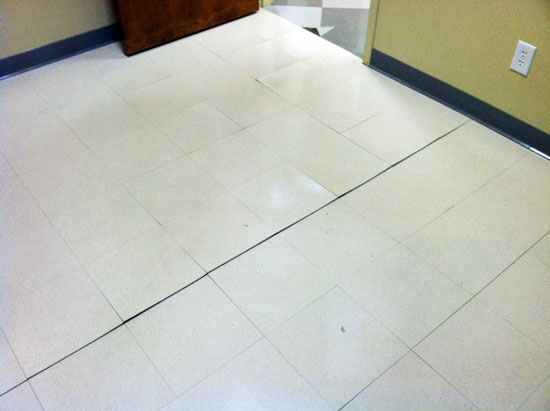
Skipping concrete RH testing can lead to significant flooring damage and, more importantly, damage to your reputation.
Wagner Meters takes great pride in providing personalized customer service to help flooring professionals succeed with concrete RH testing, sometimes even when they’re not using our Rapid RH® in-situ testing system. We keep records of our more significant support calls. Here’s a cautionary tale from our files: A general contractor (GC) in charge of construction and renovation for a large school district was building a 2,000 sq. ft. addition to his own home. Once the HVAC was up and running, the wood flooring was delivered. Because of the GC’s busy schedule, the home addition was a low priority, so the wood flooring had nine months to acclimate.
The GC subcontracted the flooring installation, but the flooring contractor didn’t perform any RH testing on the concrete slab. The GC didn’t fully understand the importance of RH testing at the time, because the school district always hired inspection companies to do the testing. So when the flooring contractor told him the adhesive would act as a moisture barrier, the GC gave the go-ahead. Two months later, the floor failed throughout the entire 2,000 sq. ft. addition. Lesson learned: do your own test to be sure. Even if another test has been done, two sets of results are better than one.
الخطأ رقم 2: افتراض أن مستشعر رطوبة نسبية واحد سيقوم بالمهمة
We sometimes get calls from customers asking whether one Rapid RH Smart Sensor in a slab will do the job. The answer is no. ASTM F2170 calls for three tests for the first 1,000 sq. ft. and at least one additional test for each additional 1,000 sq. ft.
That’s because moisture conditions can vary widely across a slab due to things like staggered pour times, uneven aggregate distribution, and even exposure to sunlight. You don’t want one untested section of the slab, like the part that was in the shade, to ruin your entire flooring installation.
الخطأ رقم 3: تركيب مستشعر الرطوبة اليمنى رأسًا على عقب
Wagner Meters, an innovator in wood and concrete moisture measurement since 1965, makes an in-situ probe testing system that complies with ASTM F2170. Wagner’s Rapid RH L6 Smart Sensor is a cylindrical sleeve with a closed bottom. You might think the closed end should be at the top to enclose the test hole, but it doesn’t work that way.
The closed end goes in first, trapping a very small volume of air between the bottom of the sleeve and the bottom of the hole inside what’s called an “isolation gasket.” The onboard electronic sensor takes its RH reading in that volume of air. Follow the instructions carefully. Once the sensor is installed in the hole, you can’t remove it without damaging it, so get it right the first time.
تنزيل مجاني - 4 أسباب تجعل الخرسانة لديك تستغرق وقتًا طويلاً حتى تجف
الخطأ رقم 4: محاولة استعادة مستشعر الرطوبة النسبية وإعادة استخدامه
Rapid RH L6 Smart Sensors are designed for single use. You can’t remove them without damaging them. Even if you manage to remove one with the sleeve intact, the sensors are very sensitive, and their calibration can’t be guaranteed after that kind of handling.
If you want reusable sensors, the Rapid RH 5.0 Smart Sensors are designed to be reused, and their calibration can be verified with the EasyCare CalCheck™. Calibration is essential for accurate testing, and ASTM F2170 spells out the calibration requirements for all sensors.
الخطأ رقم 5: الانتظار 72 ساعة بعد تركيب أجهزة استشعار الرطوبة النسبية لأخذ القراءات
Seventy-two hours is a long time to wait when it isn’t necessary. ASTM F2170 originally called for a 72-hour equilibration period, but the 2018 revision cut it to 24 hours. It pays to keep up with changes like this, and our مواد رطوبة الخرسانة are a good place to start. If there’s ever a disagreement on site, don’t argue about it. Instead, check the standard itself, طريقة الاختبار القياسية ASTM F2170 لتحديد الرطوبة النسبية في ألواح الأرضيات الخرسانية باستخدام مجسات في الموقع, which you should always have with you on the job.
كيفية تجنب هذه الأخطاء الشائعة
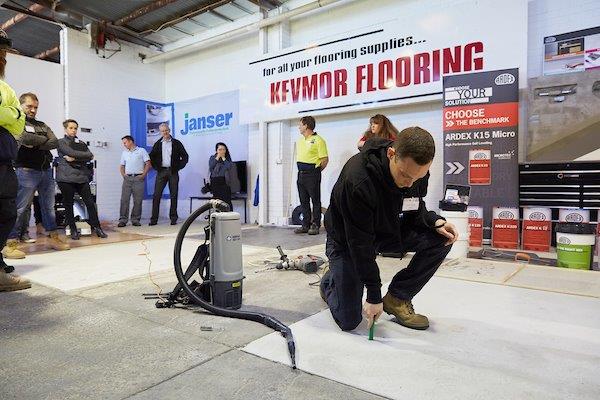
Hands-on training is one of the best ways to avoid testing mistakes.
Here are some simple ways to avoid these common mistakes with your concrete RH testing.
You can build your understanding and skill in concrete moisture testing with training and certification from the المعهد الدولي لإصلاح الخرسانة (ICRI) through its Concrete Slab Moisture Testing (CSMT) certification program.
Another way to avoid mistakes is to carry a copy of ASTM F2170 with you whenever you’re on the job.
المرجعية لدينا concrete moisture testing articles for an extensive library of RH testing articles and reference materials.
عند الشك، اتصل بنا على الرقم التالي: 541-291-5123. Our support staff would love to help you avoid a problem before it happens rather than help you pick up the pieces afterward.

يتمتع جيسون بخبرة تزيد عن 20 عامًا في المبيعات وإدارة المبيعات في مجموعة متنوعة من الصناعات، وقد نجح في طرح مجموعة متنوعة من المنتجات في السوق، بما في ذلك اختبارات رطوبة الخرسانة Rapid RH® الأصلية. ويعمل حاليًا مع شركة Wagner Meters كمدير مبيعات منتجات Rapid RH®.
آخر تحديث في 9 أكتوبر 2026

 800-634-9961


جيسون،
لديّ مبنى عمره خمس سنوات فقط، بمساحة تقريبية تبلغ حوالي ١٠,٠٠٠ قدم مربع. كانت وحدات معالجة الهواء معطلة طوال فترة المشروع.
لقد استبدلوها، ونعلم الآن أنه بعد الانتهاء من تجهيز المبنى من الداخل، وصلنا إلى مرحلة تركيب أرضيات الفينيل الفاخرة (LVT) وألواح الفينيل وقاعدة السقف. أجريتُ اختبارًا باستخدام جهاز Rapid RH مع وحدتين على جانبي المبنى في ديسمبر 2022. أجريتُ اختبارًا جافًا، وكانت قراءة كلتا الوحدتين منخفضة عند 90%. لم يتم تركيب بلاطات السقف بعد، وسيتم تشغيل وحدة السطح في 5-5,6 مايو 2023 هذا الأسبوع. ما هي المدة اللازمة لتشغيل وحدات تكييف الهواء لتكييف المكان؟ هل هناك أي وثيقة تؤكد ضرورة الالتزام بضمان الشركة المصنعة وتركيب هذا المنتج؟
حلول الأرضيات التجارية
918-798-9119
روبرت سوانك
روبرت:
شكرًا على السؤال. لإجراء اختبار نسبة الرطوبة النسبية (RH%) وفقًا لمعيار ASTM F2170، يجب أن تكون البيئة في حالة تشغيل لمدة 48 ساعة قبل الاختبار وطوال 24 ساعة. آمل أن يكون هذا مفيدًا.